
















Let me tell you something about fighting for what’s yours—it ain’t never easy, and it ain’t never cheap.
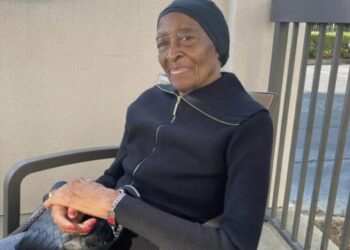
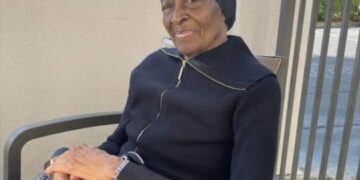
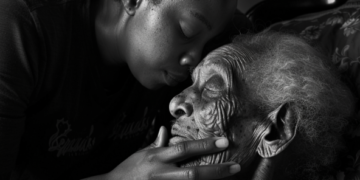
The fight started before my grandmother even passed. When her health took a turn, I had to make one of the hardest decisions of my life—putting her in a nursing home. Medicare covered it at first, and I thought, okay, at least that’s handled. But here’s what they don’t tell you when you’re trying to do right by your people: Medicare has a cap. It runs out. And when it ran out, I had no choice but to put her on Medicaid.
That’s when the state came knocking.
See, Medicaid doesn’t just help your loved ones—it marks what they own. That land in Kentucky, the land my grandmother and my great-grandparents built? The state had its eyes on it. They wanted to recover what they’d spent on her care, and that meant taking what was hers. What was supposed to be ours.
So while my grandmother was still living, still in that nursing home, I was already in court fighting to protect her property. Fighting the state. Fighting other folks who saw an opportunity to snatch up land that didn’t belong to them. And when she passed, the fight didn’t stop—it kept going. It was a long, drawn-out battle that tested not just my pockets but my resolve. But I wasn’t about to let them take what my grandmother and my great-grandparents built. That land meant something. It represented something bigger than just property lines and government claims. So I fought, and I won.
But winning that fight was just the beginning. What I finally secured—what I earned the right to reclaim—wasn’t exactly in pristine condition. Years of neglect, illegal dumping, and time itself had taken their toll. So I did what needed doing: I hired a contractor to clear it out. Heavy machinery rolled in. Burning permits were secured. Dumpsters got filled with trash that had no business being there in the first place. Structures came down, one by one, until the job was complete.
When the contractor called to say the work was finished, I booked a flight from New York City down to Nashville, Tennessee, rented a car, and drove to Elkton, Kentucky to see it for myself. I needed to stand on that land with my own two feet, needed to confirm that the job was done right and that part 1 of restoration was truly complete.
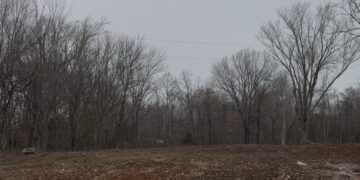
The moment I stepped onto the property, I just stopped. Couldn’t move. All I could do was stand there and stare at what lay before me.
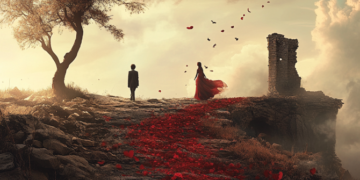
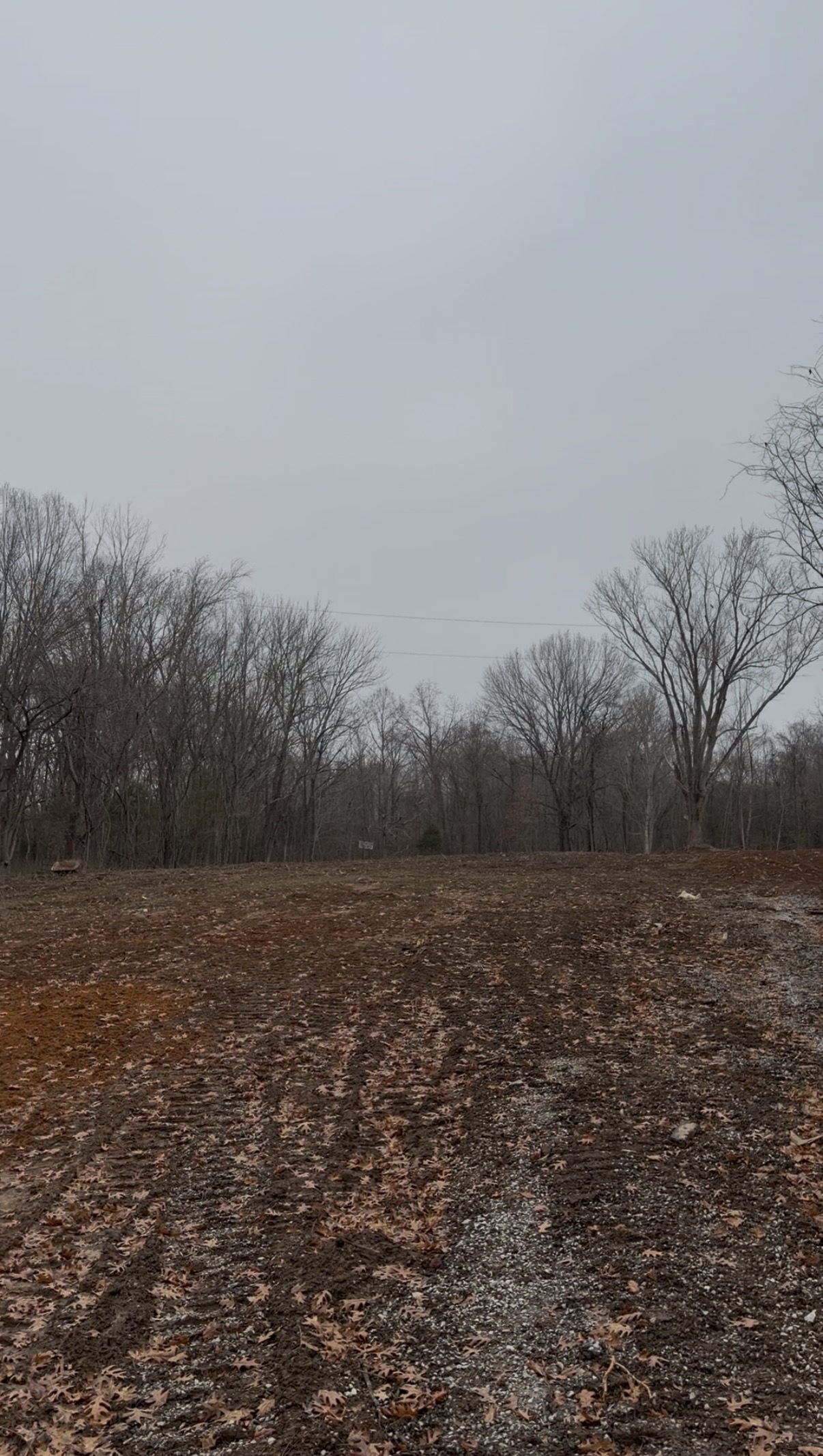
It was bare. Completely bare.
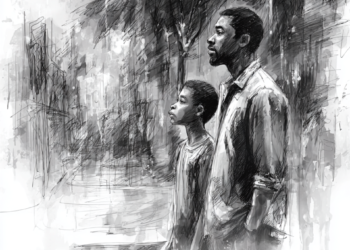
Gone was my grandmother’s two-story house—the one my great-grandfather built with his own hands, board by board, nail by nail. Gone was the chicken coop where I’d collect eggs every morning as a little boy, trying not to get pecked while the hens fussed at me. I’d feed them in the evening, scattering corn and watching them scramble over each other. The pigeon coop was gone too, the one where those birds would burst out into the Kentucky sky and do their flips and turns like they were showing off just for me.
The old barns where the cows and hogs used to be? Gone. My father’s trailer and my uncle’s trailer, the two homes where my father would stay when he visited and the other where my uncle lived? Gone. That little structure where the adults would congregate—drinking, laughing, having themselves a time while I pretended not to listen to their grown folks’ conversations? Gone. Even the campground where my uncle would take me exploring, teaching me about the woods and the land and what it meant to be self-sufficient? All of it, gone.
What remained was just earth. Cleared land. Dirt and grass and possibility, sure, but nothing that spoke to the history that had unfolded there. Nothing that proved my grandmother had poured her life into this place, or that my great-grandparents had built something from nothing here.
Standing there, this thought hit me hard: There’s no remnant left. It’s like they never existed.
And once that thought took root, it started spreading. If there’s nothing left of them, what does that say about me? What does that say about any of us? I know what the purpose of life is—I’m not going to get into all that here—but I also know with certainty that there will come a time when it’ll be like I never existed either. All the fights I fought for this land, all the courtrooms I sat in while my grandmother was still living, all the money I spent protecting what was hers, all the memories I hold so precious in my mind—one day, they’ll be gone too. Future generations won’t know what stood on this land before I rebuilt it. They won’t know the sound of those pigeons taking flight or the smell of my grandmother’s cooking drifting from that two-story house.
It’s an unsettling thought. Real unsettling. But here’s the thing about reality—it doesn’t care about our comfort. It just is what it is, whether we dwell on it or not. And truth be told, it’s hard not to dwell on it when you’re standing on empty ground that used to be full of life and laughter and legacy.
But maybe that’s the point. Maybe the fight to preserve this land—the fight that started in nursing home hallways and continued through courtrooms and didn’t end even when she passed—wasn’t about creating a monument that would last forever. Maybe it was about honoring what came before, even if what comes after will eventually forget. Maybe it’s about doing right by the people who gave us what they could, even knowing that time erases everything eventually.
Life is something else, man. It really is. It gives you everything and takes it all away, sometimes in the same breath. You fight to hold onto what matters, knowing full well you can’t hold onto it forever. You stand on bare land and see ghosts of what was, while trying to imagine what will be.
Now I’ve got to decide what to build on this empty canvas. The land is waiting on me to re-establish it in my image, to create something new where something old once stood. And I will. But I’ll do it knowing that whatever I build, however much love and money and time I pour into it, one day someone else might stand here and see nothing but bare ground, wondering what came before.
And somehow, that’s got to be okay. That’s got to be enough.
Because in the end, life keeps moving. The land remains, even when everything built on it disappears. And maybe that’s the real legacy—not the structures we build or the memories we make, but the simple act of caring enough to fight for something bigger than ourselves, even when we know it won’t last forever. Even when the state is telling you to let it go. Even when the costs keep mounting. Even when it would be easier to just walk away.
That’s what my grandmother’s land taught me, standing there on a cold, gloomy day in Kentucky with nothing but cleared earth stretching out before me and a whole lot of unsettling thoughts running through my mind.
Life is something else, indeed.